 Business License
Workshop lights always fail? Ridea uses 3 tricks to make factories worry less
What do factory owners fear most? It's not that the lights are expensive, but that the lights "fail" — workshop lights flicker, causing quality inspectors to misread part dimensions; warehouse lights break every 3 months, requiring scaffolding to replace and halting work for half a day; using the wrong lights in explosion-proof zones can lead to fire inspections and sealed areas.
But Ridea Lighting's long-term clients know: all these headaches can be solved with a single set of lights.
Trick 1: Custom-tailored for the scene, no wasted money
High-dust workshop? Ridea's industrial lights come with IP66 protection, and gaps in the lamp body are sealed with leak-proof plugs. A coal mine in Shanxi used them for 2 years, and the circuit boards were dust-free upon inspection.
High-temperature forging workshop? The custom models have graphene heat sinks. In a 45°C environment, they can stay on continuously, with only 7% light decay in 2 years (ordinary lights would dim quickly, making it hard to see vernier calipers).
Petrochemical area? The RDBR series has ATEX/CE dual certification, explosion-proof structures withstand 100,000 impact tests, and on-site acceptance passes in one go, no repeated modifications needed.
Trick 2: Durability is in the details — fewer repairs, more savings
The lamp body is made from ADC12 die-cast aluminum in one piece, 3mm thicker than competitors, able to withstand forklift bumps; the driver uses isolated wide-voltage technology, so it won’t burn out even with fluctuating workshop voltage.
A steel plant in Inner Mongolia calculated costs: after switching to Ridea lights, they didn’t need an electrician to replace a lamp for 3 years, saving 120,000 yuan in maintenance alone — enough to buy 2 new forklifts.
Trick 3: Brightness is "substantial" — production efficiency quietly rises
The 150lm/W high-efficiency light source: a 200W light is brighter than a traditional 400W metal halide lamp. Workshop illumination increases from 280 lux to 500 lux, and workers say, "You can clearly see defects in parts."
A certain auto parts factory saw a 20% drop in quality inspection rework after switching lights, and the boss said with a smile: "When the lights are bright, work flows smoothly."
Recently Posted
-
Ridex Lighting Science Guide
April 10, 2026Ridex Lighting Popularizes LED Knowledge: 5 Key Truths from 'Principle to Purchase' to Help You Avoid 90% of Selection Pit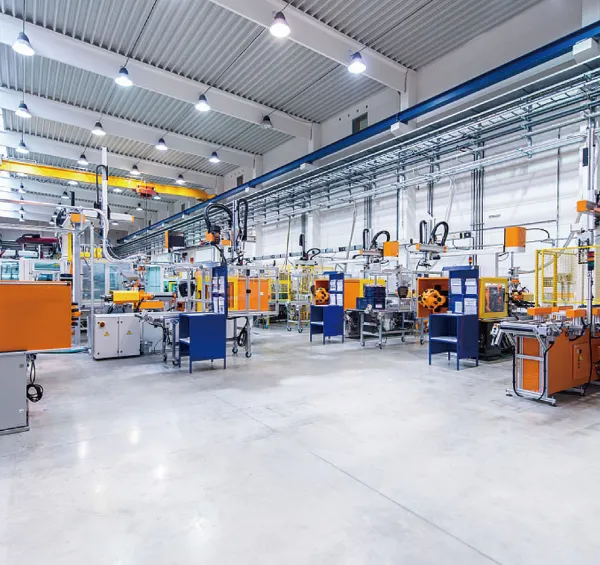 Read More
 -
Using a beam of light, we can reconstruct the brightness and warmth of industrial civilization
January 27, 2026When a lamp runs stably for 150,000 hours underground in a mine, when the defect detection rate in an automobile factory rises to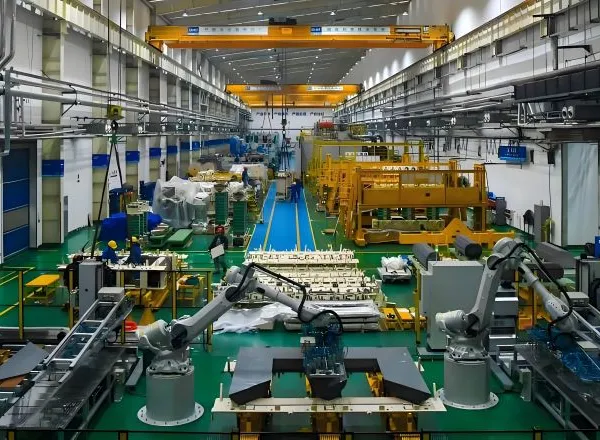 Read More
 -
Are industrial and mining lights too expensive? Come check out Ridea for cost-effective options
January 7, 20261. How does Ridea Technology do the three core dimensions of judging the cost-effectiveness of high bay lamps?1) Light efficiency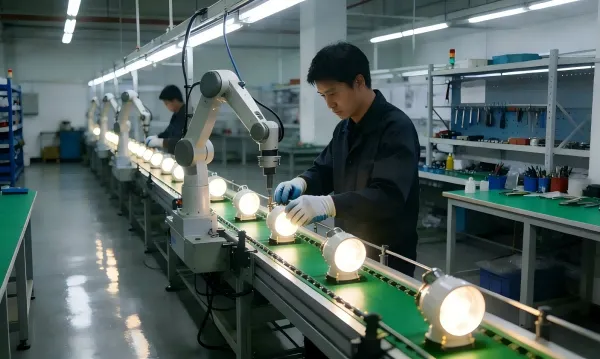 Read More
 -
How to Avoid Traps When Choosing Lighting Fixtures
December 31, 2025Lighting Science Popularization: Why does it still feel "off" even though it's your own? 3 major scene adaptation ru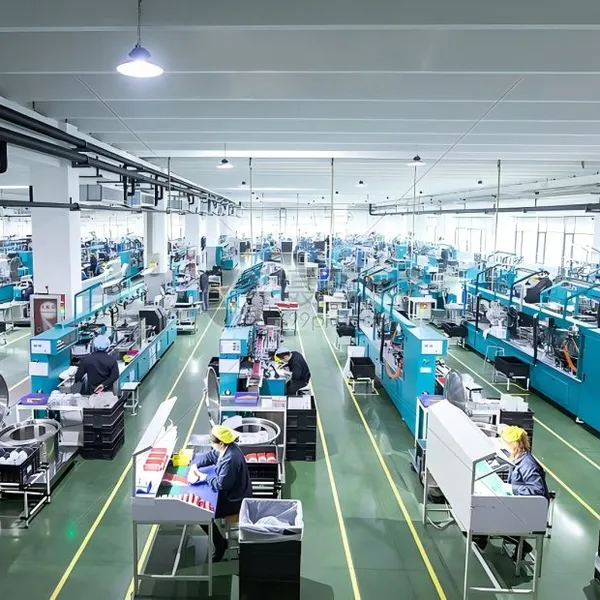 Read More

Contact Us
Recommended Products
-
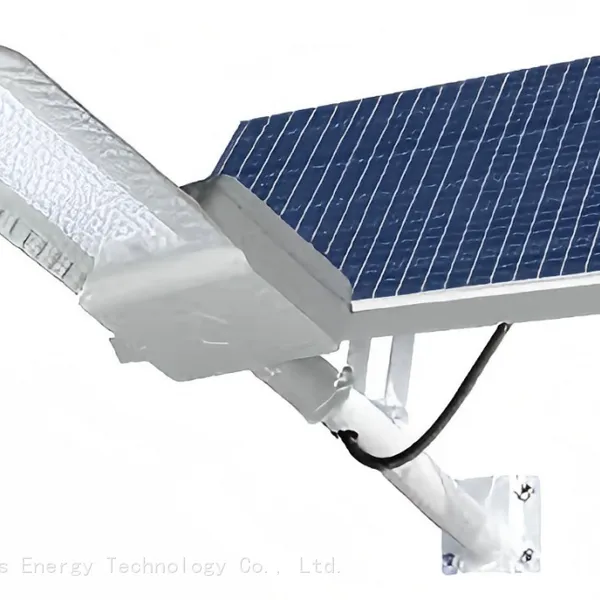
 Customized Solar-powered LED Street Light, 100W LED Solar Flood Light, for Use on Fence and Street Lamp PoleNegotiableMOQ: 1 Combo
 -
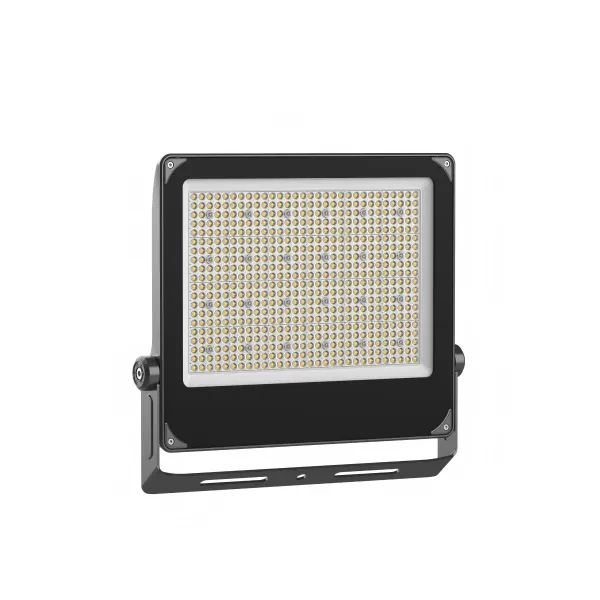
Outdoor LED Industrial Floodlight With Multi-angle Projection, High Luminous Efficiency, Square Lens, and FloodlightingNegotiableMOQ: 1 Combo
-
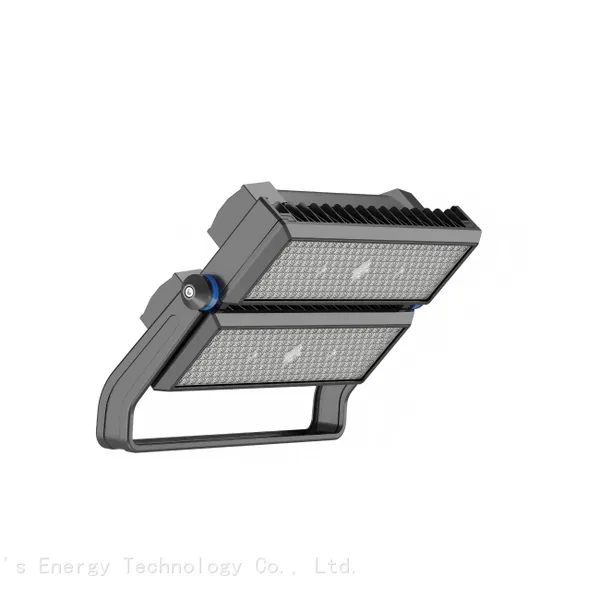
LED Tunnel Light High Luminous Efficiency Module, Tunnel LED Light Easy to Replace and MaintainNegotiableMOQ: 1 Set
-
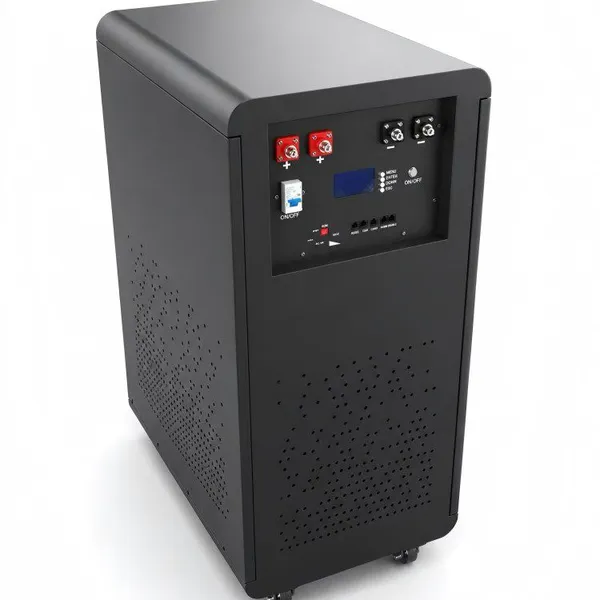
The New Style of Landed Energy Storage Battery Packs Supports OEM Cost-performance AdvantagesNegotiableMOQ: 1 Combo
-
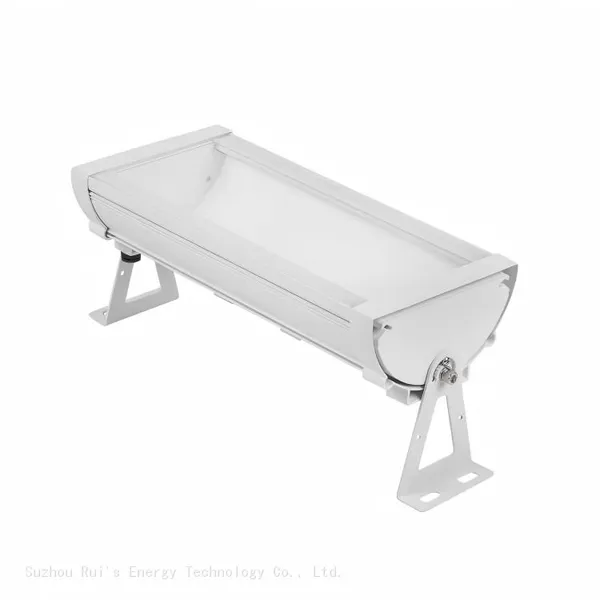
LED Tunnel Light, Large Tunnel Project Lighting Fixture, Diffuse Reflection Tunnel LightNegotiableMOQ: 2 Sets
-
Park-view Villa Connecting Corridor LED Courtyard Column LightNegotiableMOQ: 2 Combos
-
Ring-shaped LED Tree-hugging Spotlight, Garden Courtyard Landscape Light, Tree-surrounding Light, Outdoor Waterproof Colorful Tree Illumination LightNegotiableMOQ: 2 Combos
-
LED Indoor and Outdoor Explosion-proof Floodlight 50~300W Dustproof, Waterproof, and Corrosion-resistantNegotiableMOQ: 1 Combo
-
LED Industrial and Mining Lamp for Logistics and Warehousing Center, Long Strip Light, Linear Light, 100W 120W SelectionNegotiableMOQ: 1 Combo
-
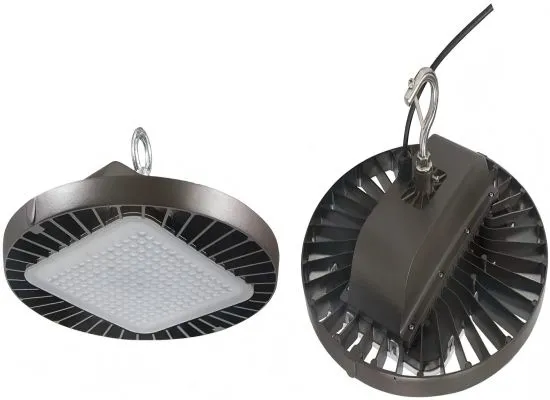
Philips Waterproof, Dustproof, Shockproof LED High Bay Light With Foreign Chip ConfigurationNegotiableMOQ: 1 Combo
-
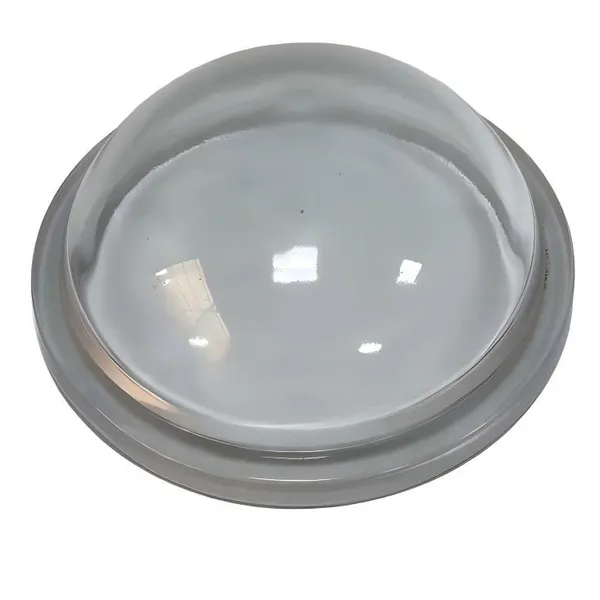
Explosion-proof Tempered Glass Lampshade Accessory, Striped, Bowl-shaped Heat-resistant and High-pressure Resistant,NegotiableMOQ: 1 Combo
-
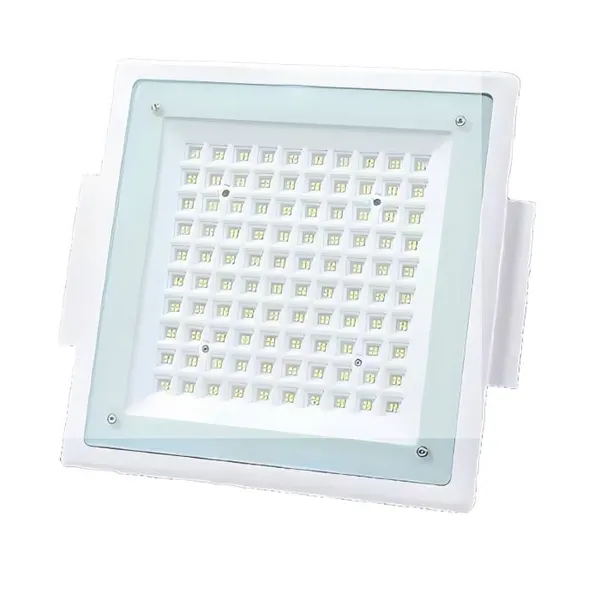
Explosion-proof Gas Station Lights, Gas Station Explosion-proof LED Industrial and Mining LightsNegotiableMOQ: 1 Combo
-
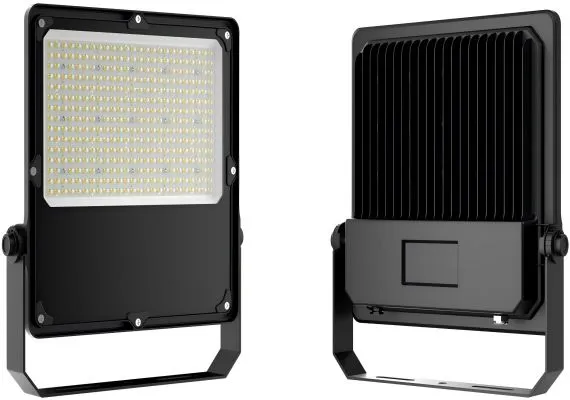
LED Floodlight, Batten Work Light, Advertising Spotlight, Outdoor Waterproof Construction Site Tunnel Lighting FloodlightNegotiableMOQ: 1 Combo
-
Workshop LED Industrial and Mining Light 150W LED Industrial and Mining Light High Luminous Efficiency and Luminous Flux ValueNegotiableMOQ: 2 Combos
-
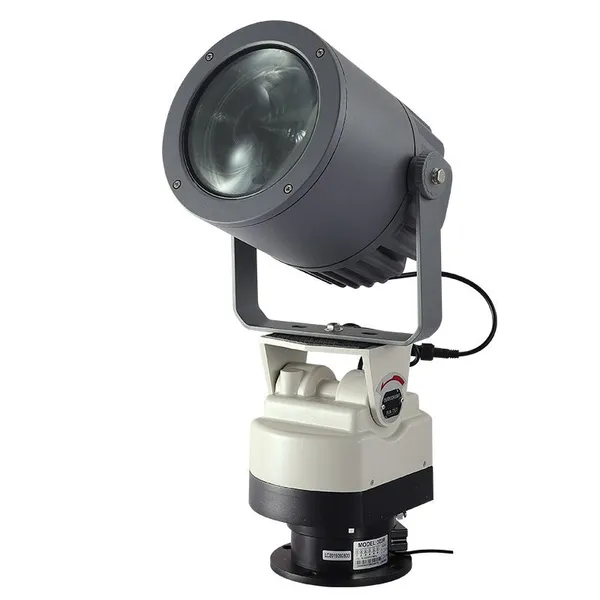
Gimbal Searchlight Automatic Cruise Remote Control High-Brightness Long-Distance LED Lighting 220V OutdoorNegotiableMOQ: 2 Combos
-
Wind Power Tower Tube Three-proof Light 20W With Emergency Wind Power Nacelle Three-proof LightNegotiableMOQ: 2 Combos
-
LED Cargo Hold Lights for Ships' Cargo Holds, Factories, Ports, and Freight Yards for Mobile LightingNegotiableMOQ: 2 Combos
-
LED Dome Lights for Dry Chambers, Crew Cabins, Lounges, Radio Rooms, and Other LocationsNegotiableMOQ: 2 Combos
-
LED Canopy Light for Ships, Engine and Boiler Rooms, Dry Cargo Holds, Shaft Tunnels, Pipe Alleys, and Open Deck Areas for LightingNegotiableMOQ: 2 Combos
-
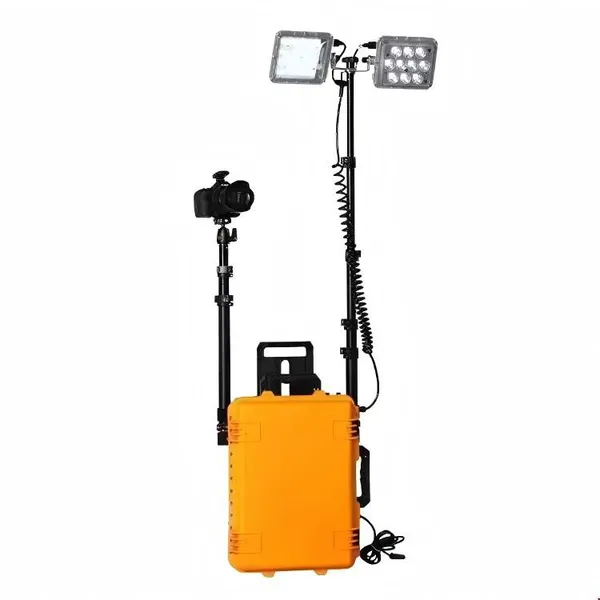
Portable Mobile Lighting SystemNegotiableMOQ: 1 Combo