 Business License
Are industrial and mining lights too expensive? Come check out Ridea for cost-effective options
1. How does Ridea Technology do the three core dimensions of judging the cost-effectiveness of high bay lamps?
1) Light efficiency and energy consumption: Don't just look at power, calculate "brightness per watt" is the key Many purchases only look at "how many watts" and ignore the light efficiency (lm/W) - this is the core of determining electricity bills. For example, the same 100W lamp, the light efficiency is 100lm/W and 150lm/W, the brightness difference is 50%, but the electricity bill is the same. Ridea's high bay lamps (such as RDG series models) have a light efficiency of 150-200lm/W, using LUMILEDS light sources, which are 20%-30% higher than the industry average.
2)Durability: The level of protection and life determine how much you spend less "unjust money" The maintenance cost of high bay lamps is invisible - the workshop is stopped for a day to replace the lamp, and the loss may be more expensive than the lamp itself. Ridea's lamp body is made of ADC12 die-cast aluminum, with a protection rating of IP65/IP66, which can be carried in dust workshops and wet warehouses. The warranty period is up to 6 years, which is twice as long as the average of 3 years in the same industry, which is the quality confidence of real money.
3) Certification and adaptability: Compliance is the bottom line, customization can save more industrial scenarios are complex, and non-compliant lamps may face shutdown and rectification. Ridea's high bay lamps have obtained more than 10 certifications such as CE, CCC, and explosion-proof certificates, especially the explosion-proof series has passed ATEX/IECEx dual certification, and can also be used in high-risk places such as petrochemicals. More importantly, Ridea can customize light distribution - for example, high factories need 60° narrow beam focusing, large warehouses use 120° wide beams, and Ridea will design a scheme according to workshop drawings to avoid waste caused by "lighting unnecessary places". After customizing a logistics park before, the ineffective lighting area was reduced by 40%, and another electricity bill was saved.
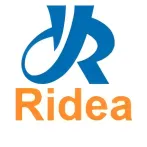
2. Why is Ridea's cost-effectiveness suitable for "long-termist" factories? Ridea's cost control is not cutting corners, but reducing costs through large-scale production and technology optimization. For example, replacing the traditional heat dissipation structure with an integrated all-aluminum lamp body increases the heat dissipation efficiency by 30% and reduces the cost by 15%; Long-term cooperation with LUMILEDS, Songsheng Drive, these first-line suppliers, the bulk purchase price is more advantageous, but these dividends are given to customers. The customer industry can also illustrate the problem: automotive, logistics, steel, these cost- and quality-sensitive enterprises are all in use, especially in coal mining projects, in high-dust, strong vibration environments, Ridea's lamps have a lifespan of 2 years longer than the imported brands previously used, and the comprehensive cost is 40% lower. Finally, I would like to say that the "cost performance" of high bay lamps is like buying an air conditioner - miscellaneous brands may be a few hundred cheaper, but they consume electricity, are fragile, and are expensive in the long run. The advantage of Ridea is that it spends money on "where you can save money" such as light efficiency and durability, rather than on brand premiums.
Recently Posted
-
Ridex Lighting Science Guide
April 10, 2026Ridex Lighting Popularizes LED Knowledge: 5 Key Truths from 'Principle to Purchase' to Help You Avoid 90% of Selection Pit Read More
 -
Using a beam of light, we can reconstruct the brightness and warmth of industrial civilization
January 27, 2026When a lamp runs stably for 150,000 hours underground in a mine, when the defect detection rate in an automobile factory rises to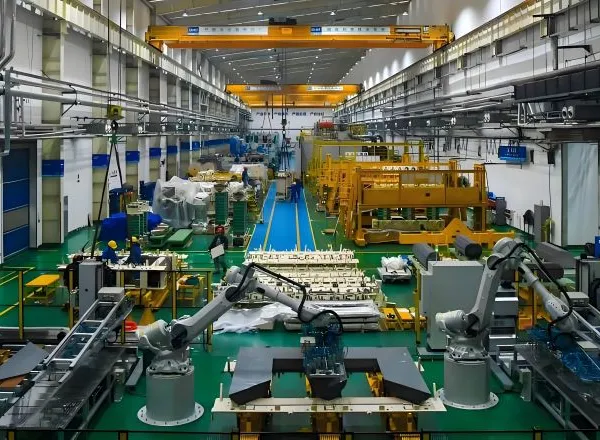 Read More
 -
Workshop lights always fail? Ridea uses 3 tricks to make factories worry less
January 19, 2026What do factory owners fear most? It's not that the lights are expensive, but that the lights "fail" — workshop ligh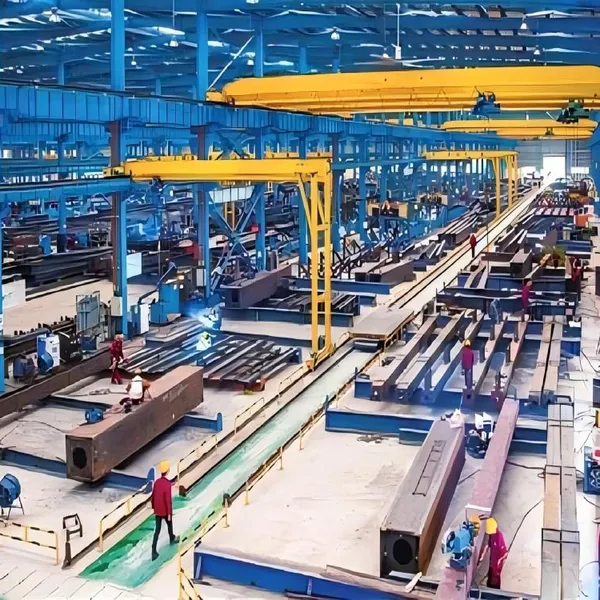 Read More
 -
How to Avoid Traps When Choosing Lighting Fixtures
December 31, 2025Lighting Science Popularization: Why does it still feel "off" even though it's your own? 3 major scene adaptation ru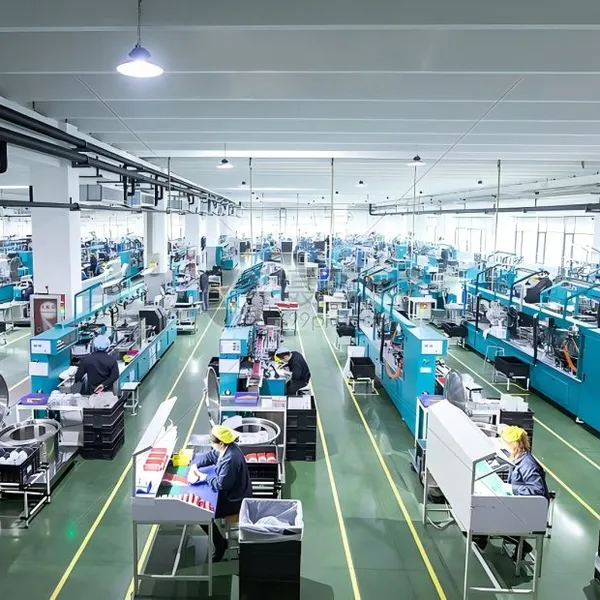 Read More

Contact Us
Recommended Products
-
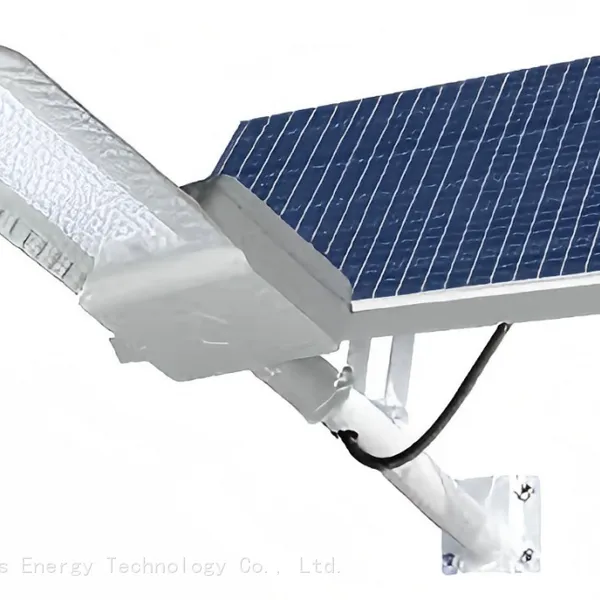
 Customized Solar-powered LED Street Light, 100W LED Solar Flood Light, for Use on Fence and Street Lamp PoleNegotiableMOQ: 1 Combo
 -
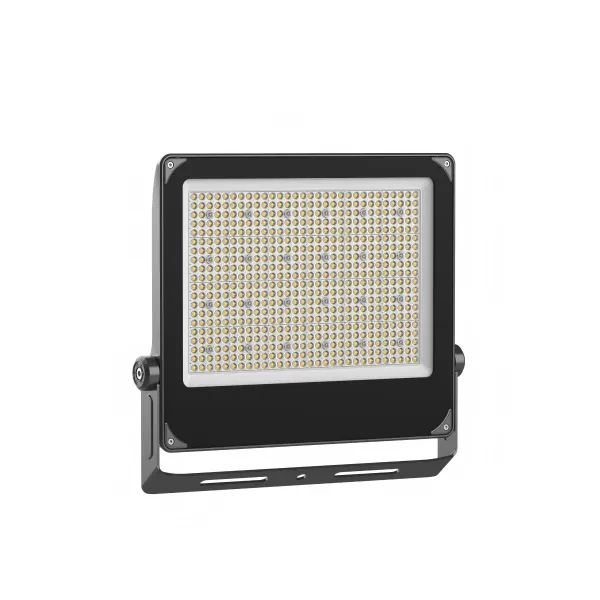
Outdoor LED Industrial Floodlight With Multi-angle Projection, High Luminous Efficiency, Square Lens, and FloodlightingNegotiableMOQ: 1 Combo
-
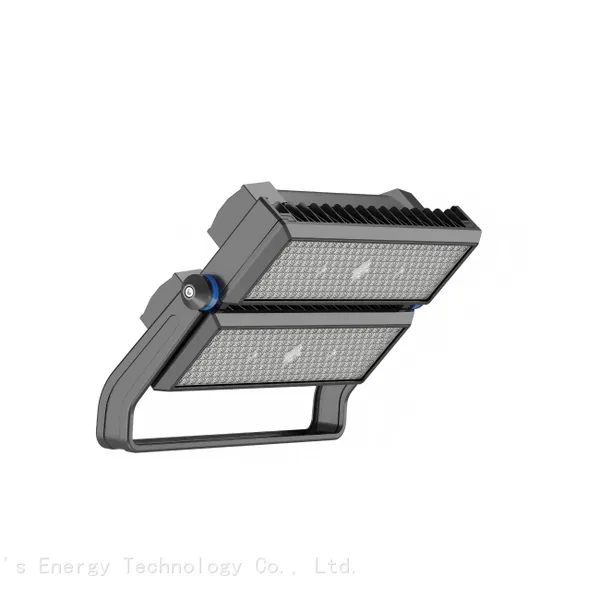
LED Tunnel Light High Luminous Efficiency Module, Tunnel LED Light Easy to Replace and MaintainNegotiableMOQ: 1 Set
-
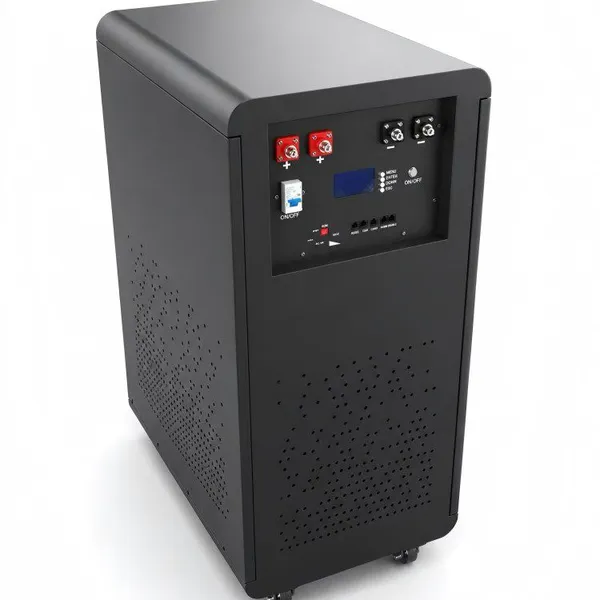
The New Style of Landed Energy Storage Battery Packs Supports OEM Cost-performance AdvantagesNegotiableMOQ: 1 Combo
-
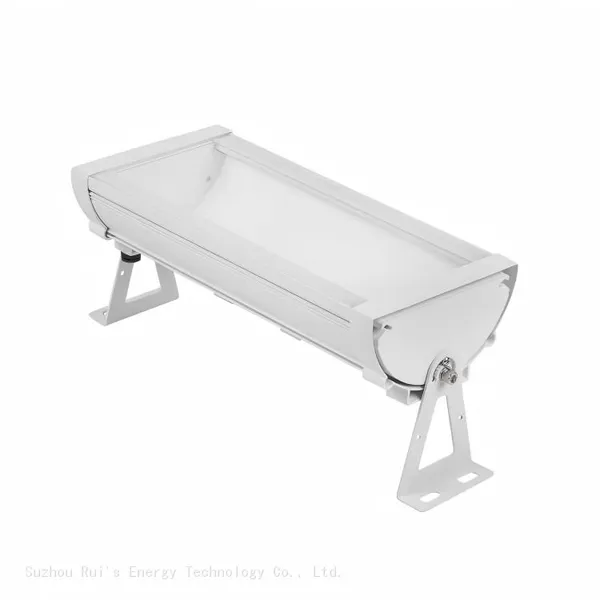
LED Tunnel Light, Large Tunnel Project Lighting Fixture, Diffuse Reflection Tunnel LightNegotiableMOQ: 2 Sets
-
Park-view Villa Connecting Corridor LED Courtyard Column LightNegotiableMOQ: 2 Combos
-
Ring-shaped LED Tree-hugging Spotlight, Garden Courtyard Landscape Light, Tree-surrounding Light, Outdoor Waterproof Colorful Tree Illumination LightNegotiableMOQ: 2 Combos
-
LED Indoor and Outdoor Explosion-proof Floodlight 50~300W Dustproof, Waterproof, and Corrosion-resistantNegotiableMOQ: 1 Combo
-
LED Industrial and Mining Lamp for Logistics and Warehousing Center, Long Strip Light, Linear Light, 100W 120W SelectionNegotiableMOQ: 1 Combo
-
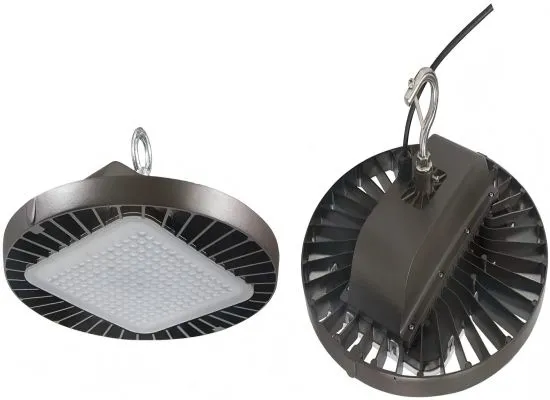
Philips Waterproof, Dustproof, Shockproof LED High Bay Light With Foreign Chip ConfigurationNegotiableMOQ: 1 Combo
-
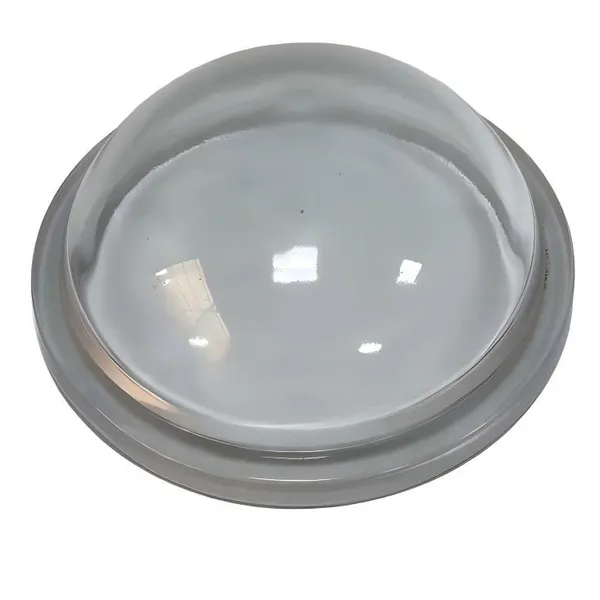
Explosion-proof Tempered Glass Lampshade Accessory, Striped, Bowl-shaped Heat-resistant and High-pressure Resistant,NegotiableMOQ: 1 Combo
-
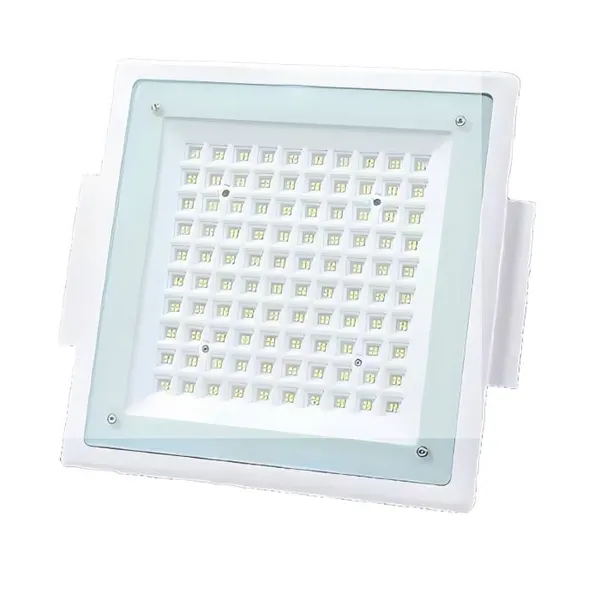
Explosion-proof Gas Station Lights, Gas Station Explosion-proof LED Industrial and Mining LightsNegotiableMOQ: 1 Combo
-
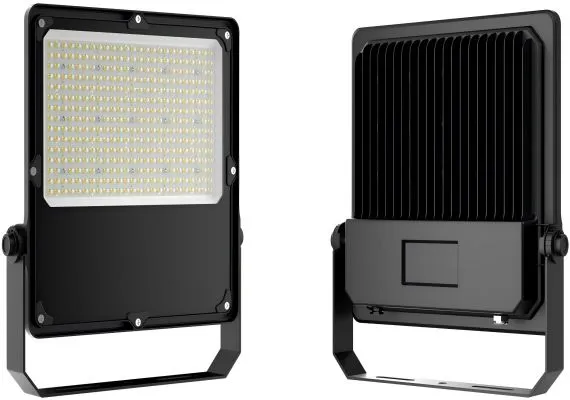
LED Floodlight, Batten Work Light, Advertising Spotlight, Outdoor Waterproof Construction Site Tunnel Lighting FloodlightNegotiableMOQ: 1 Combo
-
Workshop LED Industrial and Mining Light 150W LED Industrial and Mining Light High Luminous Efficiency and Luminous Flux ValueNegotiableMOQ: 2 Combos
-
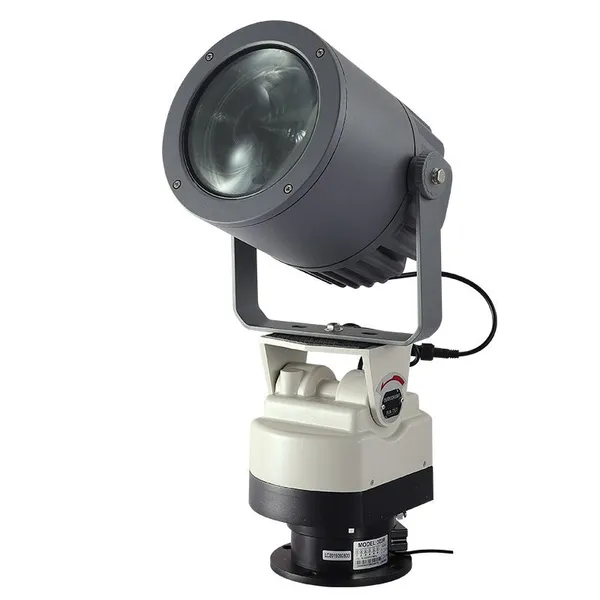
Gimbal Searchlight Automatic Cruise Remote Control High-Brightness Long-Distance LED Lighting 220V OutdoorNegotiableMOQ: 2 Combos
-
Wind Power Tower Tube Three-proof Light 20W With Emergency Wind Power Nacelle Three-proof LightNegotiableMOQ: 2 Combos
-
LED Cargo Hold Lights for Ships' Cargo Holds, Factories, Ports, and Freight Yards for Mobile LightingNegotiableMOQ: 2 Combos
-
LED Dome Lights for Dry Chambers, Crew Cabins, Lounges, Radio Rooms, and Other LocationsNegotiableMOQ: 2 Combos
-
LED Canopy Light for Ships, Engine and Boiler Rooms, Dry Cargo Holds, Shaft Tunnels, Pipe Alleys, and Open Deck Areas for LightingNegotiableMOQ: 2 Combos
-
Portable Mobile Lighting SystemNegotiableMOQ: 1 Combo