 Business License
How to Avoid Traps When Choosing Lighting Fixtures
Lighting Science Popularization: Why does it still feel "off" even though it's your own? 3 major scene adaptation rules help you choose the right light.
Breaking down industrial, supermarket, and outdoor lighting scene adaptation rules to avoid brightness pitfalls and customize efficient lighting solutions.
As Ridea Lighting, specializing in global LED lighting solutions for 18 years, we have found that many customers experience similar confusion: even though they bought "high-brightness LEDs," their workshop lighting makes it hard to see details, the meat looks dull in the supermarket fresh area, or the outdoor LED lights fail after six months. The core issue is not poor LED quality, but "incorrect scene selection." Today, based on 300 customer cases, we break down the 3 core rules of LED scene adaptation to help you avoid the trap of "bright but impractical" and show how Ridea Lighting customizes solutions for different scenes.
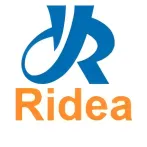
1. Industrial Workshop: It's not just about "brightness"—"illuminance uniformity" is key
Many factories only look at "wattage" when purchasing LEDs, for example, thinking that a 100W industrial light is brighter than an 80W one and choosing the former. However, some areas in the workshop end up glaring, while corners remain dim—this overlooks the important factor of "illuminance uniformity."
Core scene requirement: Industrial workshops (especially machining and electronic assembly) need to meet "illuminance above 300 lux with ≥0.7 uniformity" to prevent visual fatigue and inspection errors caused by uneven lighting. How does Ridea Lighting's industrial LED light solve this?
Optical design adaptation: Uses a "batwing light distribution curve," covering 20% more area than regular industrial lights. The 100W model achieves 0.8 uniformity at 10 meters height, with brightness difference between corners and the center not exceeding 15%.
Oil resistance and vibration protection: The lamp body is made from die-cast aluminum with a nano oil-resistant coating. Oil stains from machinery wipe off easily, and it meets IK08 vibration resistance standards—used in stamping workshops for 3 years without a single lamp detaching due to vibration.
Customized power on demand: Power recommendations based on workshop height (e.g., 80W for 8m, 120W for 12m) to avoid "overpowering and wasting energy" or "insufficient brightness."
Purchasing tip: When selecting industrial LEDs, don't just ask about "wattage"—check the "illuminance simulation map" to ensure your workshop size achieves uniform lighting.
2. Supermarket Scenes: Meat looks dull in fresh areas, labels are hard to read on top shelves? "Color rendering index and beam angle" are key
Supermarket owners often complain: "The LED brightness is enough, but the meat looks gray in the fresh area, and top-shelf product tags are hard to read." The problem lies in choosing the wrong "color rendering index" and "beam angle." Core scene requirements:
Fresh area (meat/vegetables): Requires "Ra>85 high color rendering index" to restore the true colors of food (e.g., meat looks red, vegetables look fresh), enhancing purchase desire;
Shelf area: Requires "15°-30° narrow beam angle" to focus light on products and labels, preventing light spread that makes top tags blurry.
How to adapt to Rui's supermarket LED series? Spotlight in the fresh area: using high color rendering LED chip (Ra90), which can restore the details of the ingredients better than the LED of ordinary Ra80; Shelf shelf light: customized "20° narrow light distribution", the light vertically illuminates the middle and top layers of the shelf, the label illuminance reaches 250lux, which is 3 times clearer than the ordinary 45° light distribution LED, and the power consumption is only 8W, which is 50% less power than the traditional shelf light; Energy-saving linkage design: Combined with the business hours of supermarkets, provide "time-based dimming" solutions (such as peak brightness in the morning market and 70% brightness at noon trough). Procurement pitfalls: Ask suppliers for "color rendering index test reports", and give priority to Ra≥85 products; Shelf lights should confirm the "light distribution angle" and avoid buying "large-angle floodlights"
3. Outdoor scenes: it will be bad in half a year?
The most common problems of outdoor LEDs (such as parking lots, park street lights) are "bad water in rain", "light decay in summer", "low temperature in winter" - this is not done well in "environmental adaptation" The core of the scene requirements: outdoor LEDs need to meet the requirements of "IP65 or above, high and low temperature resistance (-30°C~60°C) and UV resistance" to avoid lamp body aging and circuit failure caused by rain, temperature changes, and ultraviolet rays.
How does Ridea's lighting's outdoor LED series cope? Protection upgrade: outdoor flood lights/street lights adopt "double sealing design" (lamp bead plate glue filling shell silicone sealing ring), the protection level reaches IP66, which is 3 times stronger than the rainwater penetration ability of ordinary IP65 LEDs; Weather-resistant material: ADC12 die-cast aluminum for the lamp body shell, fluorocarbon coating on the surface, anti-ultraviolet aging ability is 5 times stronger than ordinary spraying plastic.
In Hainan high temperature exposure environment, the light decay in 5 years is only 10% (ordinary LED light decay is up to 30%); Low-temperature start design: The driver power supply has a built-in "low-temperature preheating chip" in the northeast winter of -30°C, and the light is turned on normally within 3 seconds after powering on, avoiding the problem of "slow low-temperature start and frequent flashing" of ordinary LEDs.
Purchase pitfalls: When choosing outdoor LEDs, confirm that the protection level is "IP66" instead of "IP65" (IP66 can resist strong water spray, IP65 is only splash-proof); According to the "High and Low Temperature Resistance Test Report", avoid not being able to use it in the climate. Conclusion: The core of choosing LED lighting is not to "pick parameters", but to "the scene" Good LED lighting, not "the higher the power and the brighter the better" but "just adapt to your scene needs" - the workshop wants "uniform illuminance", the supermarket wants "real color rendering", and the outdoor wants "durable and anti-manufacturing".
Ridea's lighting -- make each LED look just right for your scene; Let every lighting transformation be not only "changing lights", but also "improving efficiency and saving electricity"
Recently Posted
-
Ridex Lighting Science Guide
April 10, 2026Ridex Lighting Popularizes LED Knowledge: 5 Key Truths from 'Principle to Purchase' to Help You Avoid 90% of Selection Pit Read More
 -
Using a beam of light, we can reconstruct the brightness and warmth of industrial civilization
January 27, 2026When a lamp runs stably for 150,000 hours underground in a mine, when the defect detection rate in an automobile factory rises to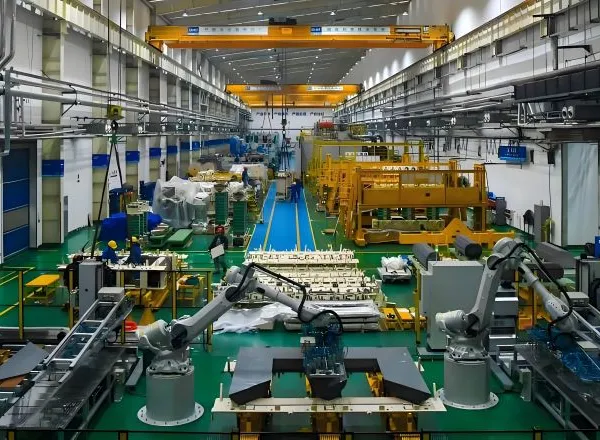 Read More
 -
Workshop lights always fail? Ridea uses 3 tricks to make factories worry less
January 19, 2026What do factory owners fear most? It's not that the lights are expensive, but that the lights "fail" — workshop ligh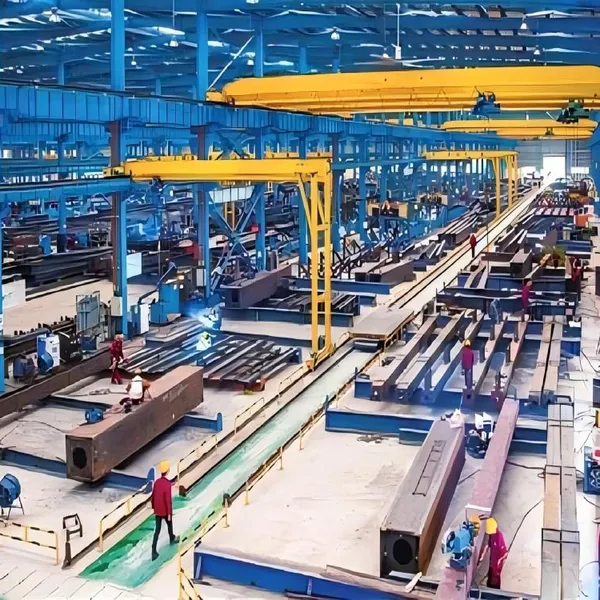 Read More
 -
Are industrial and mining lights too expensive? Come check out Ridea for cost-effective options
January 7, 20261. How does Ridea Technology do the three core dimensions of judging the cost-effectiveness of high bay lamps?1) Light efficiency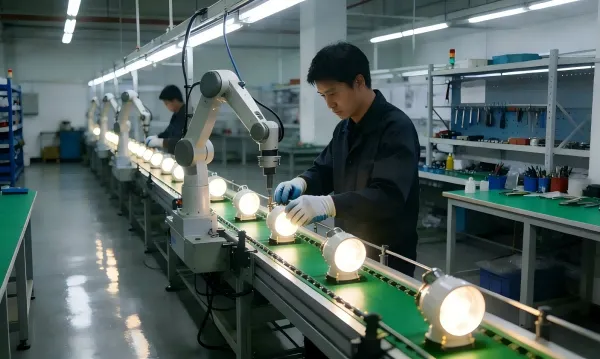 Read More

Contact Us
Recommended Products
-
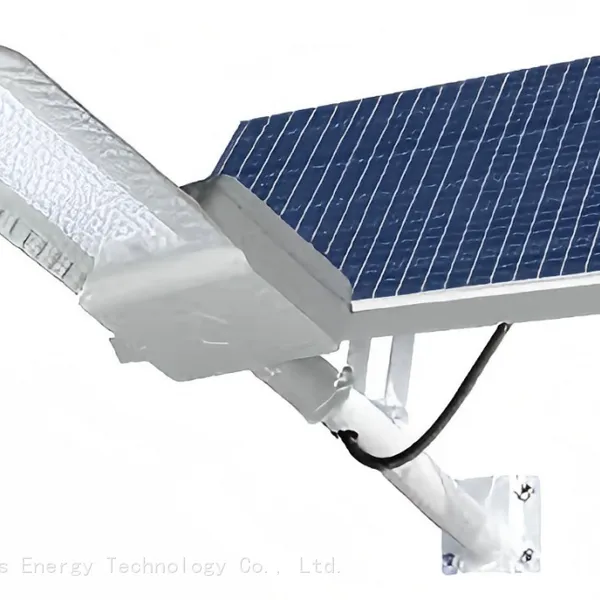
 Customized Solar-powered LED Street Light, 100W LED Solar Flood Light, for Use on Fence and Street Lamp PoleNegotiableMOQ: 1 Combo
 -
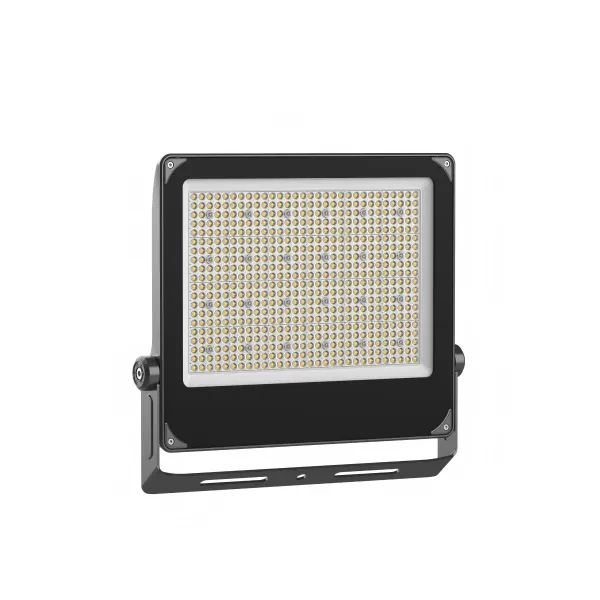
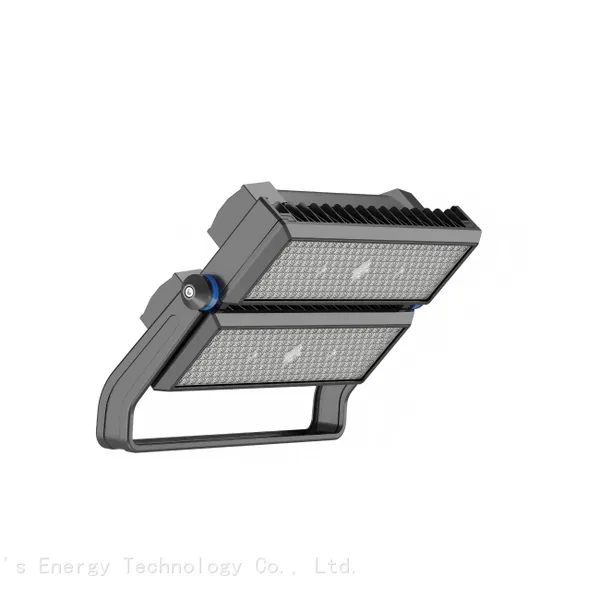
Outdoor LED Industrial Floodlight With Multi-angle Projection, High Luminous Efficiency, Square Lens, and FloodlightingNegotiableMOQ: 1 Combo
-
LED Tunnel Light High Luminous Efficiency Module, Tunnel LED Light Easy to Replace and MaintainNegotiableMOQ: 1 Set
-
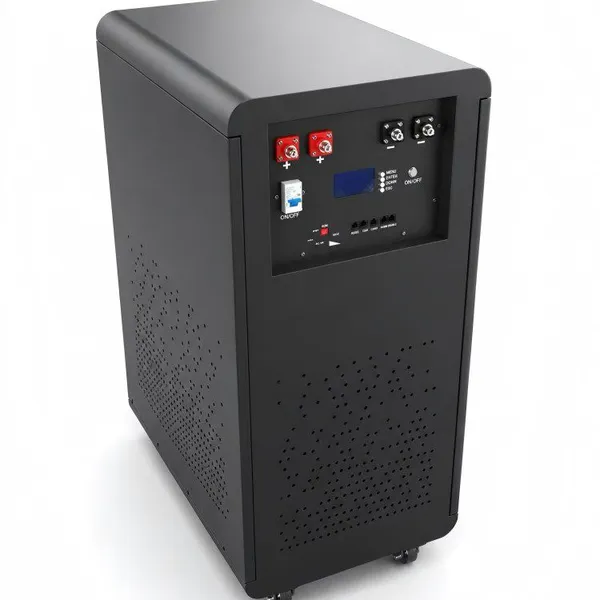
The New Style of Landed Energy Storage Battery Packs Supports OEM Cost-performance AdvantagesNegotiableMOQ: 1 Combo
-
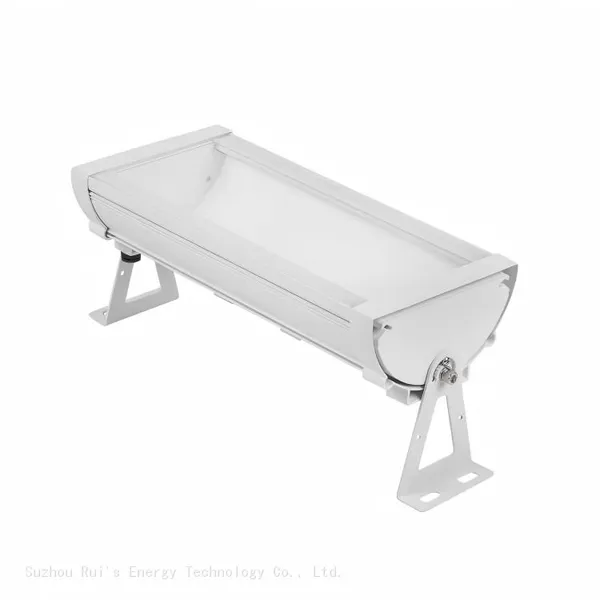
LED Tunnel Light, Large Tunnel Project Lighting Fixture, Diffuse Reflection Tunnel LightNegotiableMOQ: 2 Sets
-
Park-view Villa Connecting Corridor LED Courtyard Column LightNegotiableMOQ: 2 Combos
-
Ring-shaped LED Tree-hugging Spotlight, Garden Courtyard Landscape Light, Tree-surrounding Light, Outdoor Waterproof Colorful Tree Illumination LightNegotiableMOQ: 2 Combos
-
LED Indoor and Outdoor Explosion-proof Floodlight 50~300W Dustproof, Waterproof, and Corrosion-resistantNegotiableMOQ: 1 Combo
-
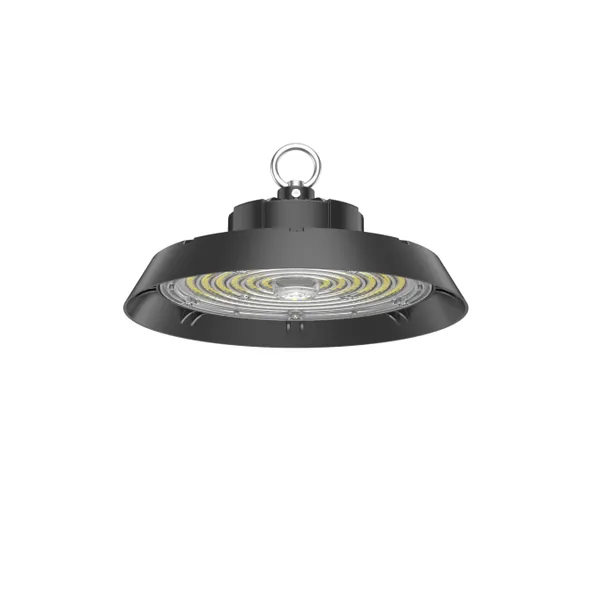
LED Industrial and Mining Lamp for Logistics and Warehousing Center, Long Strip Light, Linear Light, 100W 120W SelectionNegotiableMOQ: 1 Combo
-
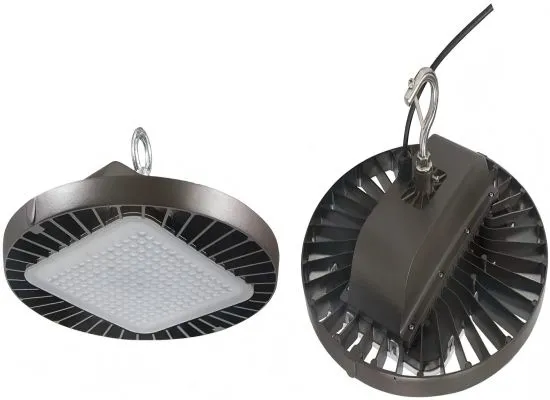
Philips Waterproof, Dustproof, Shockproof LED High Bay Light With Foreign Chip ConfigurationNegotiableMOQ: 1 Combo
-
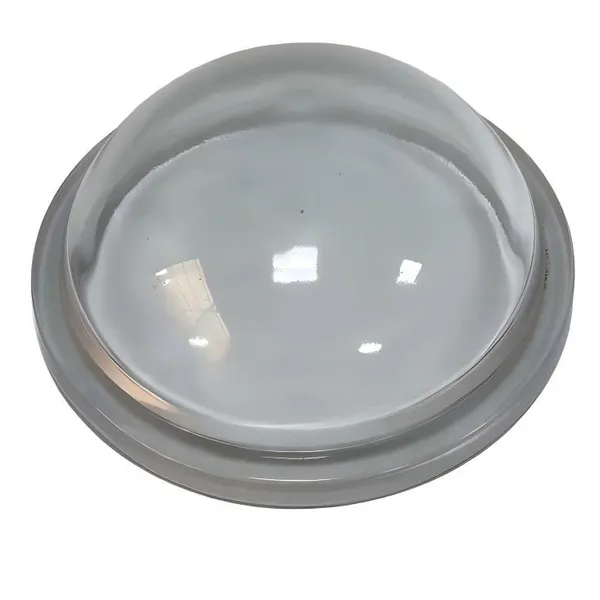
Explosion-proof Tempered Glass Lampshade Accessory, Striped, Bowl-shaped Heat-resistant and High-pressure Resistant,NegotiableMOQ: 1 Combo
-
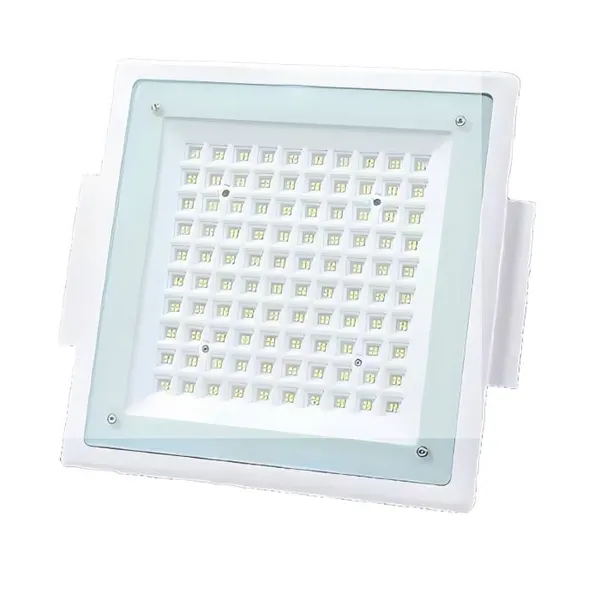
Explosion-proof Gas Station Lights, Gas Station Explosion-proof LED Industrial and Mining LightsNegotiableMOQ: 1 Combo
-
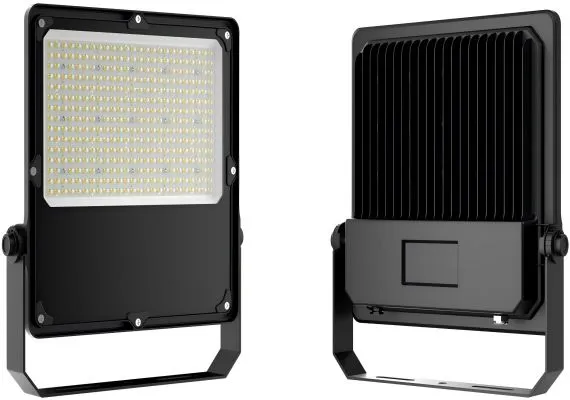
LED Floodlight, Batten Work Light, Advertising Spotlight, Outdoor Waterproof Construction Site Tunnel Lighting FloodlightNegotiableMOQ: 1 Combo
-
Workshop LED Industrial and Mining Light 150W LED Industrial and Mining Light High Luminous Efficiency and Luminous Flux ValueNegotiableMOQ: 2 Combos
-
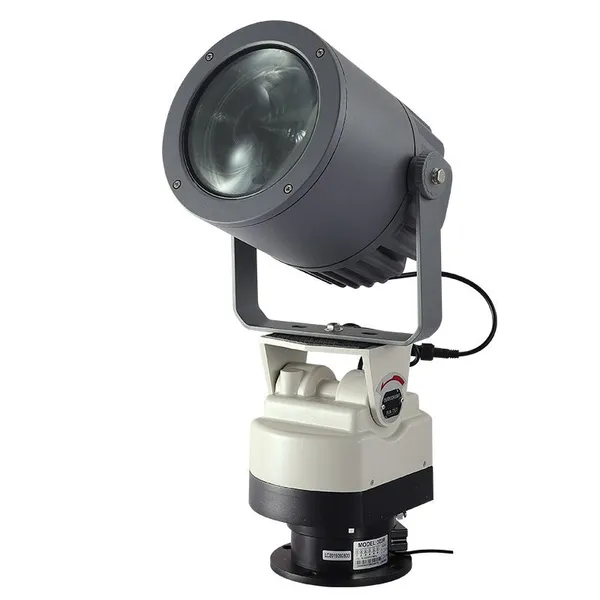
Gimbal Searchlight Automatic Cruise Remote Control High-Brightness Long-Distance LED Lighting 220V OutdoorNegotiableMOQ: 2 Combos
-
Wind Power Tower Tube Three-proof Light 20W With Emergency Wind Power Nacelle Three-proof LightNegotiableMOQ: 2 Combos
-
LED Cargo Hold Lights for Ships' Cargo Holds, Factories, Ports, and Freight Yards for Mobile LightingNegotiableMOQ: 2 Combos
-
LED Dome Lights for Dry Chambers, Crew Cabins, Lounges, Radio Rooms, and Other LocationsNegotiableMOQ: 2 Combos
-
LED Canopy Light for Ships, Engine and Boiler Rooms, Dry Cargo Holds, Shaft Tunnels, Pipe Alleys, and Open Deck Areas for LightingNegotiableMOQ: 2 Combos
-
Portable Mobile Lighting SystemNegotiableMOQ: 1 Combo